
When considering dental implants, many patients don’t realize there are different types of implants for teeth designed for various situations and needs. Understanding the different types of implants for teeth helps you make informed decisions about your tooth replacement options and ensures you receive the most appropriate treatment for your specific circumstances.
The different types of implants for teeth vary in size, shape, placement method, and intended use. Some types of implants for teeth are designed for single tooth replacement, while others restore multiple teeth or even entire arches. Choosing among the different types of implants for teeth depends on factors like bone density, the number of missing teeth, jaw structure, and your overall oral health.
At Brisbane Family Dental, we offer various types of implants for teeth to meet each patient’s unique needs. This comprehensive guide explores the different types of implants for teeth available today, helping you understand which option might be best for restoring your smile.
Why Different Types of Implants for Teeth Exist
Not every patient’s situation is identical, which is why dental professionals have developed different types of implants for teeth to address diverse clinical challenges.
Factors That Determine Which Types of Implants for Teeth You Need
Bone density and volume: Some types of implants for teeth require substantial bone, while others work with less bone density. Your jawbone condition significantly influences which types of implants for teeth are suitable.
Number of missing teeth: The different types of implants for teeth include options for single tooth replacement, multiple teeth, and full arch restoration. Your specific tooth loss pattern determines the appropriate choice.
Location in the mouth: Front teeth and back teeth have different functional and aesthetic requirements, influencing which types of implants for teeth work best in each area.
Jaw anatomy: Individual jaw structure, sinus position, and nerve location affect which types of implants for teeth can be safely and effectively placed.
Overall health: Certain medical conditions and medications may make some types of implants for teeth more appropriate than others for your situation.
Endosteal Implants: The Most Common Types of Implants for Teeth
Endosteal implants represent the most frequently used types of implants for teeth worldwide. These implants are placed directly into the jawbone and serve as artificial tooth roots.
Understanding Endosteal Types of Implants for Teeth
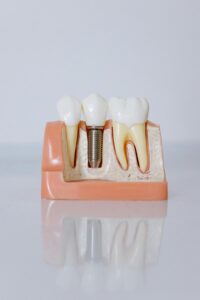
Endosteal implants are titanium posts surgically inserted into your jawbone. Once the implant integrates with the bone through osseointegration, an abutment and crown are attached to complete the restoration.
Characteristics of endosteal types of implants for teeth:
- Surgically placed into the jawbone
- Most closely mimic natural tooth roots
- Require adequate bone density and height
- Available in various sizes and designs
- Highest success rates among different types of implants for teeth
- Suitable for single or multiple tooth replacement
Screw-Type Endosteal Implants
Screw-type designs are the most popular among endosteal types of implants for teeth. These implants feature threads that grip the bone and provide exceptional stability.
Benefits of screw-type implants:
- Excellent initial stability
- Self-tapping design simplifies placement
- Thread design increases surface area
- Most versatile of the different types of implants for teeth
- Suitable for immediate loading in some cases
Cylinder-Type Endosteal Implants
Cylinder implants are smooth-sided types of implants for teeth that rely on textured surfaces rather than threads for bone integration.
Features of cylinder types of implants for teeth:
- Smooth exterior without threads
- Textured or coated surfaces promote osseointegration
- May require longer healing time than threaded implants
- Used in specific clinical situations
- Less common than screw-type designs today
Standard vs. Wide-Diameter Endosteal Implants
Among the different types of implants for teeth, diameter variations serve specific purposes:
Standard diameter implants (3.5-4.2mm):
- Most common size for typical tooth replacement
- Suitable for most clinical situations
- Well-established success rates
- Used for incisors, canines, and premolars
Wide-diameter implants (5.0mm+):
- Designed for molar replacement
- Better distribution of chewing forces
- Require more bone width
- Ideal for back teeth restoration
Mini Dental Implants: Smaller Types of Implants for Teeth
Mini dental implants are narrow-diameter types of implants for teeth, typically measuring less than 3mm in diameter. These smaller types of implants for teeth serve specific purposes and offer unique advantages.
When Mini Implants Are Used
Mini dental implants are specialized types of implants for teeth used in specific situations:
Stabilizing dentures:
- Primary use for mini types of implants for teeth
- Multiple mini implants secure removable dentures
- Provides stability without full implant restoration
- More affordable than traditional implant-supported dentures
Limited bone situations:
- Work where standard implants won’t fit
- Useful in narrow bone ridges
- Alternative when bone grafting isn’t desired
- Temporary solutions in some cases
Small tooth replacement:
- Lower incisors and other small teeth
- Areas with limited space
- Transitional restorations
- Orthodontic anchorage
Advantages of Mini Types of Implants for Teeth
Less invasive placement: Mini implants require smaller surgical sites than standard types of implants for teeth, often allowing placement without cutting gums or stitches.
Faster healing: The smaller size of these types of implants for teeth typically means quicker recovery and less post-operative discomfort.
Lower cost: Mini implants generally cost less than standard types of implants for teeth, making them an economical option for denture stabilization.
Immediate use: Many mini types of implants for teeth can be loaded immediately, allowing same-day denture stabilization.
Limitations of Mini Dental Implants
While mini implants are useful types of implants for teeth, they have limitations:
- Less strength than standard diameter implants
- Not suitable for single crown restorations in most cases
- May not last as long as conventional types of implants for teeth
- Limited research compared to standard implants
- Cannot withstand heavy chewing forces like larger implants
Subperiosteal Implants: Alternative Types of Implants for Teeth
Subperiosteal implants are unique types of implants for teeth that sit on top of the jawbone rather than being inserted into it.
How Subperiosteal Types of Implants for Teeth Work
Unlike endosteal implants that go into the bone, subperiosteal types of implants for teeth consist of a metal framework placed under the gum tissue but above the jawbone. Posts protrude through the gums to hold prosthetic teeth.
Structure of subperiosteal implants:
- Custom-made metal framework
- Fits over the jawbone surface
- Multiple posts extend through gum tissue
- Support dentures or bridgework
- Secured by fibrous tissue over time
When Subperiosteal Implants Are Considered
Subperiosteal types of implants for teeth were more common decades ago but are rarely used today. At Brisbane Family Dental, we do not offer subperiosteal implants as modern bone grafting techniques and endosteal implants provide superior, more predictable outcomes. They may be considered at specialized centers when:
- Severe bone loss prevents endosteal implants
- Patient refuses or cannot undergo bone grafting
- Multiple teeth need replacement
- Medical conditions prevent bone surgery
- All other types of implants for teeth aren’t viable
Why Subperiosteal Types of Implants for Teeth Are Less Common
Modern advances have made subperiosteal implants one of the least used types of implants for teeth:
Limitations include:
- Lower success rates than endosteal implants
- More complex surgical procedure
- Require two surgeries traditionally
- Potential for infection around framework
- Bone grafting usually preferred today
- Less comfortable than other types of implants for teeth
Most dentists now recommend bone grafting followed by endosteal implants rather than subperiosteal types of implants for teeth.
Zygomatic Implants: Specialized Types of Implants for Teeth
Zygomatic implants are highly specialized types of implants for teeth used when severe upper jaw bone loss prevents standard implant placement.
Understanding Zygomatic Types of Implants for Teeth
Rather than anchoring in the upper jawbone, zygomatic implants are extra-long types of implants for teeth that anchor in the cheekbone (zygoma). These specialized types of implants for teeth can be 40-55mm long—much longer than standard implants.
Key features of zygomatic implants:
- Extremely long implants anchoring in cheekbone
- Used exclusively for upper jaw restoration
- Bypass insufficient jawbone entirely
- Support full arch restorations
- Require specialized surgical expertise
- Avoid need for extensive bone grafting
When Zygomatic Types of Implants for Teeth Are Needed
Zygomatic implants are highly specialized types of implants for teeth reserved for specific situations. At Brisbane Family Dental, we do not offer zygomatic implants, as they require highly specialized training and are reserved for extreme cases of bone loss. For patients with significant bone loss, we recommend bone grafting procedures followed by traditional endosteal implants, which provide excellent, predictable results.
Zygomatic implants may be considered at specialized surgical centers for:
Severe upper jaw bone loss:
- Extensive bone resorption from long-term tooth loss
- Failure of previous bone grafting procedures
- Medical conditions preventing bone grafting
- Patients seeking alternatives to grafting
Full arch restoration:
- Used with All-on-4 or similar techniques
- Typically combined with standard anterior implants
- Support complete upper denture replacement
- Immediate loading often possible
Advantages of Zygomatic Implants
As specialized types of implants for teeth, zygomatic implants offer unique benefits:
- Avoid extensive bone grafting procedures
- Shorter overall treatment time
- Immediate function often possible
- Excellent success rates when properly placed
- Solution for “impossible” cases
- Use existing cheekbone structure
Considerations for Zygomatic Types of Implants for Teeth
These complex types of implants for teeth require careful consideration:
- Require specialized surgical training and experience
- More invasive than standard implants
- Higher initial cost than conventional types of implants for teeth
- Limited number of qualified providers
- Reserved for severe bone loss situations
- Not appropriate for single tooth replacement
All-on-4 and All-on-6: Full Arch Types of Implants for Teeth
All-on-4 and All-on-6 represent treatment concepts using specific configurations of different types of implants for teeth to support full arch restorations.
All-on-4 Implant Technique
The All-on-4 approach uses four strategically placed types of implants for teeth to support an entire arch of replacement teeth.
How All-on-4 uses different types of implants for teeth:
- Two straight anterior implants in front of jaw
- Two posterior implants placed at 30-45 degree angles
- Full arch prosthesis attaches to all four implants
- Often allows immediate loading
- Bypasses sinus cavities and nerve structures
- Complete tooth replacement with just four implants
Benefits of All-on-4 types of implants for teeth:
- Fewer implants needed than traditional methods
- Often avoids bone grafting
- Same-day teeth possible in many cases
- More affordable than individual implants
- Proven long-term success rates
- Efficient use of available bone
All-on-6 Implant Technique
The All-on-6 approach uses six types of implants for teeth for full arch restoration, providing additional stability and support.
Advantages of All-on-6 over All-on-4:
- Greater stability with two extra implants
- Better load distribution across more implants
- Additional security for heavy chewers
- May last longer than All-on-4
- Recommended for teeth grinders
- More implant redundancy
Considerations for All-on-6 types of implants for teeth:
- Higher cost than All-on-4
- Requires more available bone
- Slightly longer procedure time
- Not always necessary for all patients
- Benefits depend on individual factors
Immediate Load Implants: Fast-Acting Types of Implants for Teeth
Immediate load implants aren’t a different physical type but rather a placement protocol that allows some types of implants for teeth to be restored immediately.
Understanding Immediate Load Types of Implants for Teeth
Traditionally, types of implants for teeth require 3-6 months of healing before restoration. Immediate load implants, also called “teeth in a day,” allow provisional restoration within 24-48 hours of placement.
How immediate loading works:
- Implants placed with high initial stability
- Temporary restoration attached same day or next day
- Careful bite adjustment to protect healing implants
- Conversion to permanent restoration after osseointegration
- Not all patients are candidates
When Immediate Load Types of Implants for Teeth Are Possible
Immediate loading protocols work best in specific situations:
Ideal conditions for immediate loading:
- Adequate bone density and quality
- Primary implant stability achieved during placement
- Full arch restorations (more predictable than single teeth)
- Front teeth with lighter chewing forces
- Patient compliance with soft diet
- No parafunctional habits like grinding
Situations where delayed loading is better:
- Poor bone quality or density
- Insufficient initial stability
- Back teeth with heavy chewing forces
- Bone grafting performed simultaneously
- Patient unable to follow dietary restrictions
- Risk factors for complications
Benefits of Immediate Load Implants
When appropriate, immediate load types of implants for teeth offer advantages:
- Function and aesthetics restored immediately
- Avoid months without teeth
- Single surgery instead of separate restoration appointment
- Reduced overall treatment time
- Psychological benefits of immediate teeth
- Gum tissue heals around temporary restoration
Single Tooth Implants vs. Multiple Tooth Implants
Different types of implants for teeth are configured differently depending on how many teeth need replacement.
Single Tooth Replacement Types of Implants for Teeth
For replacing one missing tooth, a single implant supports an individual crown:
Benefits of single tooth types of implants for teeth:
- Most conservative approach
- Preserves adjacent natural teeth
- Independent function of each tooth
- Easier cleaning and maintenance
- Maximum bone preservation
- Each tooth can be addressed individually
Best for:
- Individual missing teeth
- Healthy adjacent teeth
- Adequate bone in specific location
- Patients prioritizing tooth independence
Implant-Supported Bridges
When multiple adjacent teeth are missing, implant-supported bridges use fewer types of implants for teeth than the number of missing teeth:
How implant bridges work:
- Two or more implants support multiple crowns
- Connected crowns span between implants
- More economical than individual implants for each tooth
- Still much more stable than traditional bridges
- Don’t require grinding adjacent natural teeth
Ideal situations:
- Multiple adjacent missing teeth
- Cost considerations
- Limited bone availability
- Appropriate span lengths (typically 3-4 teeth)
Choosing the Right Types of Implants for Teeth
With so many different types of implants for teeth available, how do you determine which is right for you?
Factors Your Dentist Evaluates
Your dental professional assesses multiple factors when recommending types of implants for teeth:
Clinical evaluation:
- Jawbone density, height, and width
- Location and number of missing teeth
- Condition of remaining teeth
- Gum tissue health and thickness
- Bite relationship and jaw alignment
- Sinus and nerve locations
Medical considerations:
- Overall health status
- Medications affecting healing
- Habits like smoking or teeth grinding
- History of oral infections
- Bone metabolism conditions
- Ability to undergo surgery
Patient preferences:
- Treatment timeline preferences
- Budget and financial considerations
- Aesthetic priorities
- Comfort with various procedures
- Long-term maintenance preferences
Diagnostic Tools for Planning Different Types of Implants for Teeth
Modern technology helps dentists select optimal types of implants for teeth:
3D cone beam CT scans:
- Detailed bone density measurements
- Precise anatomical mapping
- Nerve and sinus location identification
- Virtual implant placement planning
- Accurate assessment of bone volume
Digital impressions:
- Precise tooth and tissue measurements
- Integration with implant planning software
- Better communication with laboratories
- More comfortable than traditional impressions
Surgical guides:
- Computer-generated placement templates
- Ensure accurate positioning of types of implants for teeth
- Increase precision and safety
- Reduce surgical time
- Improve predictability
Success Rates of Different Types of Implants for Teeth
Understanding success rates helps you evaluate different types of implants for teeth options.
Comparative Success Rates
Endosteal implants (standard):
- 95-98% success rates over 10 years
- Most predictable types of implants for teeth
- Extensive long-term data
- Gold standard for comparison
Mini dental implants:
- 90-94% success rates for denture retention
- Less data than standard types of implants for teeth
- Lower success for single tooth replacement
- Appropriate for intended uses
Zygomatic implants:
- 95-98% success rates in studies
- Specialized types of implants for teeth
- Requires expert placement
- Excellent option for severe bone loss
All-on-4/All-on-6:
- 94-98% success rates
- Proven protocols
- Extensive clinical documentation
- Excellent outcomes with proper case selection
Factors Affecting Success of All Types of Implants for Teeth
Regardless of which types of implants for teeth you receive, certain factors influence success:
Patient factors:
- Oral hygiene compliance
- Smoking cessation
- Management of systemic diseases
- Following post-operative instructions
- Regular professional maintenance
Clinical factors:
- Surgical expertise and experience
- Proper case selection
- Quality of implant materials
- Adequate bone quantity and quality
- Appropriate healing time before loading
Cost Differences Among Types of Implants for Teeth
Different types of implants for teeth come with varying costs based on complexity and materials.
Price Ranges for Types of Implants for Teeth
Single standard implant:
- Mid-range investment
- Includes implant, abutment, and crown
- Most common procedure
- Well-established pricing
Mini dental implants:
- Lower cost per implant
- Multiple typically needed
- More affordable for denture retention
- Budget-friendly option
All-on-4 restoration:
- Higher total investment
- Replaces entire arch
- Fewer implants than individual approach
- Cost-effective for full arch
Zygomatic implants:
- Premium pricing
- Specialized procedure
- Avoids bone grafting costs
- Expertise commands higher fees
Factors Affecting Cost of Different Types of Implants for Teeth
Material quality:
- Premium implant brands cost more
- Prosthetic material selection
- Abutment type (stock vs. custom)
Complexity:
- Number of implants needed
- Surgical difficulty
- Additional procedures required
- Specialized types of implants for teeth
Professional expertise:
- Specialist vs. general dentist fees
- Geographic location
- Practice overhead
- Technology and equipment used
Maintaining Different Types of Implants for Teeth
All types of implants for teeth require proper maintenance for long-term success.
Universal Care for All Types of Implants for Teeth
Daily oral hygiene:
- Brush twice daily with soft-bristled toothbrush
- Floss around implants using proper technique
- Use interdental brushes for hard-to-reach areas
- Rinse with antimicrobial mouthwash
- Clean all surfaces thoroughly
Professional maintenance:
- Regular dental cleanings every 3-6 months
- Specialized cleaning around implants
- X-rays to monitor bone levels
- Professional assessment of implant health
- Early intervention for any issues
Protective measures:
- Wear nightguard if you grind teeth
- Use mouthguard during sports
- Avoid chewing ice or hard objects
- Don’t smoke or use tobacco
- Maintain overall health
Specific Care for Different Types of Implants for Teeth
Mini implant-retained dentures:
- Remove denture for cleaning
- Clean implant attachments daily
- Brush denture thoroughly
- Soak in cleaning solution
- Keep attachments debris-free
Full arch restorations:
- Use water flosser under prosthesis
- Floss threaders for hard-to-reach areas
- Pay attention to gum line
- Professional cleaning essential
- May require periodic removal for thorough cleaning
The Future of Different Types of Implants for Teeth
Implant dentistry continues advancing, with new types of implants for teeth and techniques emerging.
Emerging Innovations
Surface technology improvements:
- Bioactive coatings for faster integration
- Antimicrobial surfaces
- Enhanced osseointegration properties
- Shorter healing times
Material advances:
- Improved titanium alloys
- Ceramic implant refinements
- Hybrid material development
- Stronger, more biocompatible options
Design innovations:
- Optimized thread patterns
- Better emergence profiles
- Integrated abutments
- Customizable types of implants for teeth
Digital integration:
- Computer-guided surgery
- 3D-printed surgical guides
- Custom implant designs
- Virtual treatment planning
Despite innovations, established types of implants for teeth like standard endosteal implants remain the foundation of successful implant dentistry.
Making Your Decision About Types of Implants for Teeth
Choosing among different types of implants for teeth is an important decision best made in partnership with your dental professional.
Questions to Ask About Types of Implants for Teeth
About the recommendation:
- Why do you recommend these specific types of implants for teeth for me?
- What other types of implants for teeth did you consider?
- What makes this option best for my situation?
- What are the alternatives?
About the procedure:
- How many implants will I need?
- What is the expected timeline?
- Will I need additional procedures?
- What types of implants for teeth brands do you use?
Experience the Best Types of Implants for Teeth
Understanding the different types of implants for teeth empowers you to make informed decisions about your tooth replacement options. While various types of implants for teeth exist for different situations, endosteal implants remain the gold standard for predictable, long-lasting results.
At Brisbane Family Dental, we specialize in endosteal implant placement including standard single tooth implants, mini implants for denture stabilization, and full arch solutions like All-on-4 and All-on-6. We focus on these proven types of implants for teeth because they offer the most reliable outcomes backed by extensive research and our clinical experience.
Our commitment to excellence means we stay current with advances in implant dentistry while focusing on the types of implants for teeth that consistently deliver superior results for our patients. Whether you need a single tooth replaced or a complete arch restoration, we’ll recommend the most appropriate types of implants for teeth for your unique situation.
Ready to discover which types of implants for teeth are right for you? Explore our dental implant services or contact us today to schedule your consultation. Let’s discuss how the right types of implants for teeth can restore your smile, confidence, and quality of life.